Skip to content


Health Insiders

A postbiotic is "a preparation of inanimate microorganisms and/or their components that confers a health benefit on the host": the 2021 definition from an expert panel convened by the International Scientific Association for Probiotics and Prebiotics. The cells have been killed on purpose, usually by heat, the preparation is described down to the strain and the kill step, and a controlled trial has shown a benefit in the people it is meant for. A probiotic is the live organism, a prebiotic is the fibre or similar substance that gut microbes feed on; purified metabolites such as butyrate are excluded by name. The six randomised placebo-controlled trials of five named inactivated preparations cited below cover 41 to 110 people over three weeks to a year; two were funded by the maker, a third was run by the maker's own researchers, and one found no difference from placebo. Pasteurised kombucha contains killed microbes and fermentation acids but is not a postbiotic under the definition, because no kombucha has been characterised and trialled as one. Great Britain has no authorised health claim for any postbiotic, and for live cultures only the yoghurt lactose wording; "contains live cultures" is a statement of contents, not a claim.
Continue reading

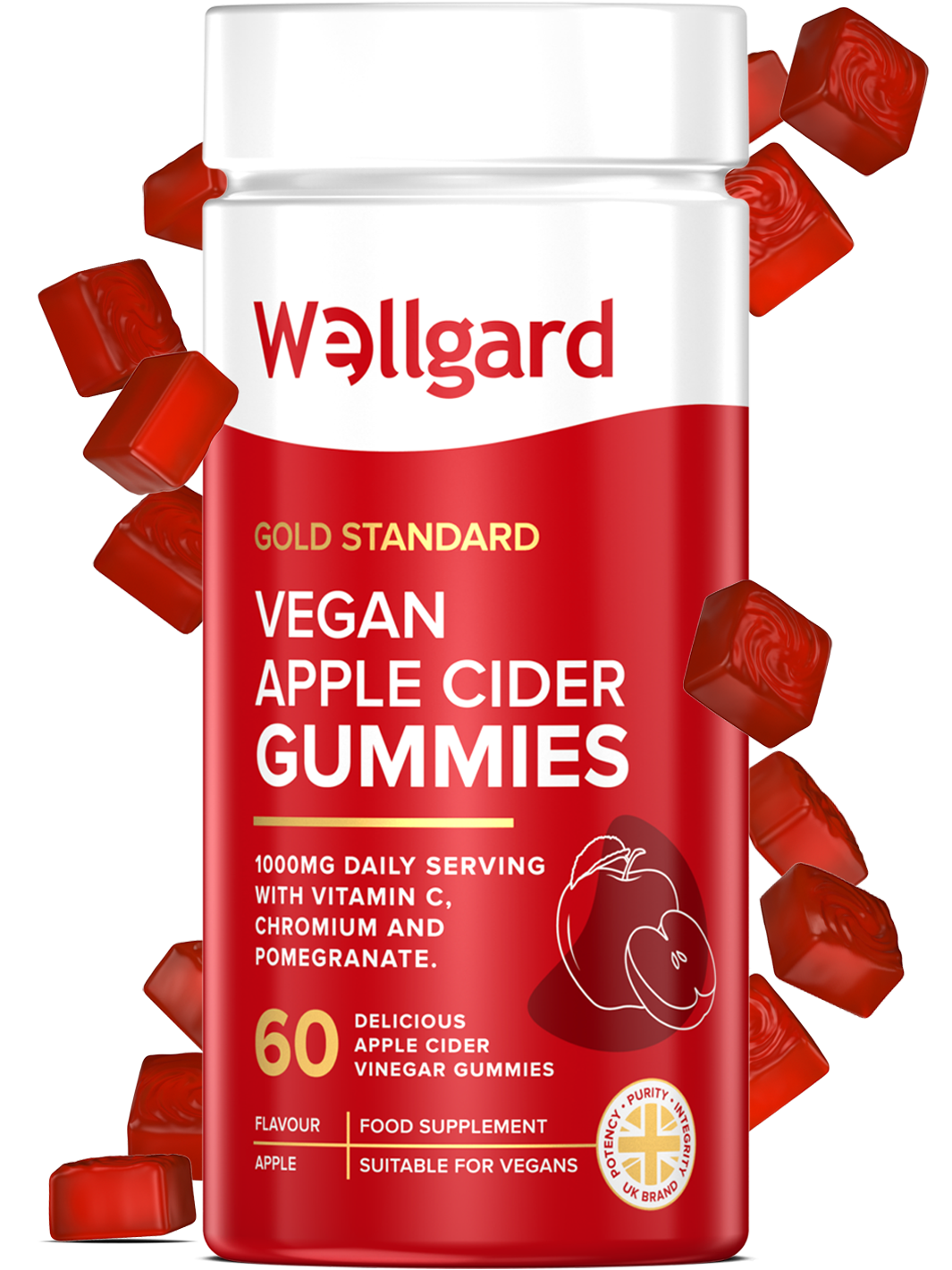
By a little, over 4 to 12 weeks, in trials of adults with overweight, obesity or type 2 diabetes: in the largest trial built to measure weight, 155 obese Japanese adults drinking 15 or 30 mL of apple vinegar a day weighed about 1.2 kg and 1.9 kg less at 12 weeks while the placebo group gained 0.4 kg, and a 2026 umbrella review of 12 vinegar trials in 918 adults put the pooled difference at about 1 kg. The widely quoted 2024 Lebanese trial was retracted in September 2025 and one 2025 pooled estimate still contains it; the GB register lists the apple cider vinegar weight claim as non-authorised. Every weight trial by name, dose and duration, what belly fat meant in the one trial that scanned it, appetite and metabolism, and where gummies, capsules and powders stand.
Continue reading

Kombucha contains alcohol, because the yeast in the culture turns some of the tea's sugar into ethanol, but under UK licensing law a drink of 0.5% ABV or less at the point of sale is not alcohol, and kombucha is sold as a soft drink on that basis. What a bottle holds varies: in the largest survey, 684 kombuchas sold in one Canadian province averaged 0.77% ABV and 31.5% were above 1%; in Brazil, 60% of 30 brands labelled up to 0.5% measured above it; no UK product has been measured in a published study. No study has measured breath alcohol after kombucha; one 19-person study found alcohol markers in urine on the day of drinking, none the next day. Caffeine ran from 15 to 113 mg a litre in nine US products. The halal question is answered with the composition facts and the law only; rulings differ, and the reader is sent to their own authority.
Continue reading

Nine vitamins and minerals carry the authorised wording "contributes to the reduction of tiredness and fatigue" in Great Britain: riboflavin, niacin, pantothenic acid, vitamin B6, folate, vitamin B12, vitamin C, iron and magnesium. The wording describes each nutrient's normal role in the body and may be printed on a food or supplement that supplies at least 15% of the nutrient reference value; it is not a trial finding that a supplement will make a tired person less tired. The deficiencies the NHS says cause tiredness, iron, vitamin B12 and folate, are found with a GP blood test, and the trials that measured tiredness and found a change recruited people who were low: in 198 women with ferritin under 50 and normal haemoglobin, 12 weeks of iron cut fatigue scores by 47.7% against 28.8% on placebo, and a 2025 pooled analysis found the effect absent once iron-deficient participants were excluded. The NHS lists sleep, stress, hormonal change, illness and medicines as common causes, and asks you to see a GP if tiredness has lasted a few weeks without an obvious reason.
Continue reading

After 50 the one UK reference figure that changes for a woman is iron, which falls from 14.8 mg a day to 8.7 mg; calcium stays at 700 mg, vitamin D at 10 micrograms, vitamin B12 at 1.5 micrograms, folate at 200 micrograms and magnesium at 270 mg. What changes instead is the body: bone loss speeds up after the menopause, B12 from food is absorbed less well with age, and the NHS asks women past the menopause to keep vitamin A under 1.5 mg a day. The UK figures at 50, 65 and 75, who still needs iron, what the trials in women over 50 found, and how to read a multivitamin label against the UK figures rather than the percentages.
Continue reading