Skip to content


Health Insiders

Inositol is a sugar-like molecule the body makes and food supplies; myo-inositol and D-chiro-inositol are the two forms sold as supplements, and almost every trial is in women with polycystic ovary syndrome. The review written for the 2023 international guideline screened trials for research integrity and included 30 of them, 2,230 women: blood measures of insulin resistance moved, BMI and regular periods did not differ clearly, and stomach side effects were far rarer than on metformin. Several early trials have since been retracted; this guide names them and counts only the rest.
Continue reading

In the human trials, purified shilajit at 200 mg to 1 g a day for 28 days to 48 weeks produced no more side effects than placebo, and the sperm study found liver and kidney tests unchanged. The documented risk is contamination: 20.7% of 193 Ayurvedic products bought online contained lead, mercury or arsenic, Indian and Pakistani raw shilajit exceeded limits for several metals, and a 2025 study found thallium in finished supplements at up to 0.5 micrograms per gram. Who should take care (iron overload, gout, blood pressure and blood-sugar medicines, pregnancy, under-18s), what to avoid, how to read a certificate of analysis, and how to report a reaction.
Continue reading

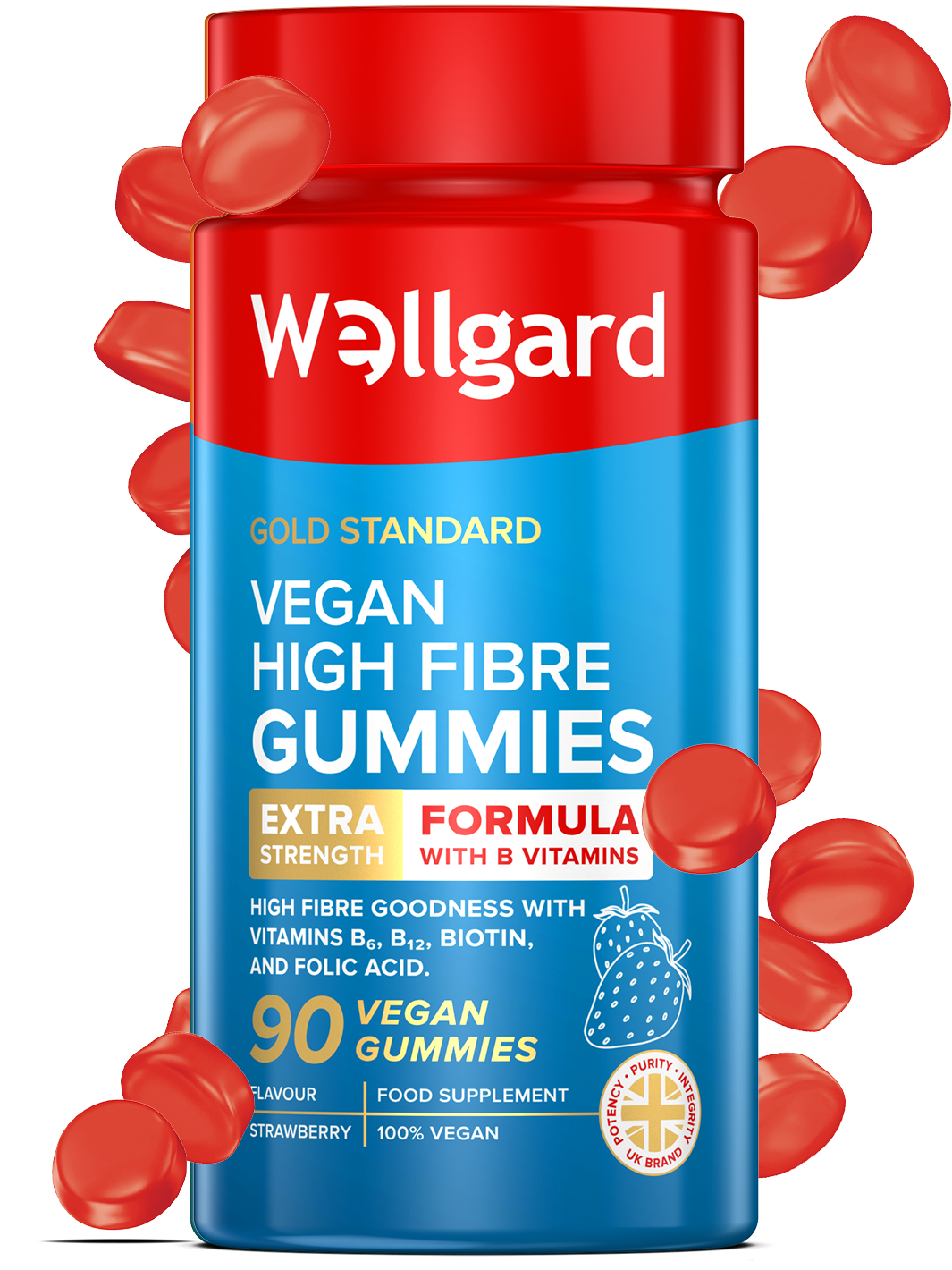
Judge a fibre gummy by its grams and its fibre type. A serving that gives 4 g of inulin is about an eighth of the UK's 30 g a day and a third of the 12 g at which the GB register says chicory inulin increases stool frequency. No trial has tested an inulin or psyllium gummy as such; the one constipation gummy trial used 10 g of galacto-oligosaccharides. What inulin, psyllium and glucomannan gummies each do, the sugar and biotin points, who a gummy suits and when more than 10 g of psyllium a day is the dose to look at.
Continue reading

Inulin is a fermentable fibre made of fructose chains, richest in chicory root (36 to 48 g per 100 g), Jerusalem artichoke (16 to 20 g), garlic (9 to 16 g), leeks and onions; American diets average about 2.6 g of inulin a day, mainly from wheat and onions. The GB register authorises one wording, 'Chicory inulin contributes to normal bowel function by increasing stool frequency', at 12 g a day, the dose that raised weekly stools from three to four in 44 constipated adults in a supplier-funded trial. At 3 to 20 g it raised bifidobacteria across 50 trials of 2,525 people; wind is the usual price, and single doses of up to 10 g of native inulin were tolerated by 26 healthy adults. Foods table, the prebiotic question, who should be careful, and where a 4 g gummy fits.
Continue reading

Prune juice is fruit juice with sorbitol in it, a sugar alcohol the gut absorbs slowly: per 100 g it carries 14.4 g of sugars, about 6 g of sorbitol, 210 mg of potassium, 57 kcal and only trace fibre, so a 150 ml glass is roughly 22 g of free sugars against the NHS limit of 30 g a day for adults. The trial authors suggest the sorbitol may explain the effect they measured; it is also why some people get wind, cramps or loose stools. What a glass contains against whole prunes, whether it stops working, who should be careful (diabetes, IBS, kidney disease, children), and how to dilute and store a concentrate.
Continue reading